
The Base Under Your Concrete Decides How Long It Lasts
QUICK ANSWER: The concrete you can see is rarely what fails first. What fails is the ground underneath it. A slab is only as stable as its base, which means the soil is graded and compacted, a layer of crushed stone is spread and packed to spread the load, water is directed away, and the slab is poured at the right thickness with proper joints and reinforcement. Get the base right and a driveway or patio can serve for decades. Skip it, and even a strong mix will crack, settle, and heave within a few seasons. In clay heavy soil like Middle Tennessee's, the base matters even more, because that soil swells and shrinks with moisture and moves anything sitting on it.
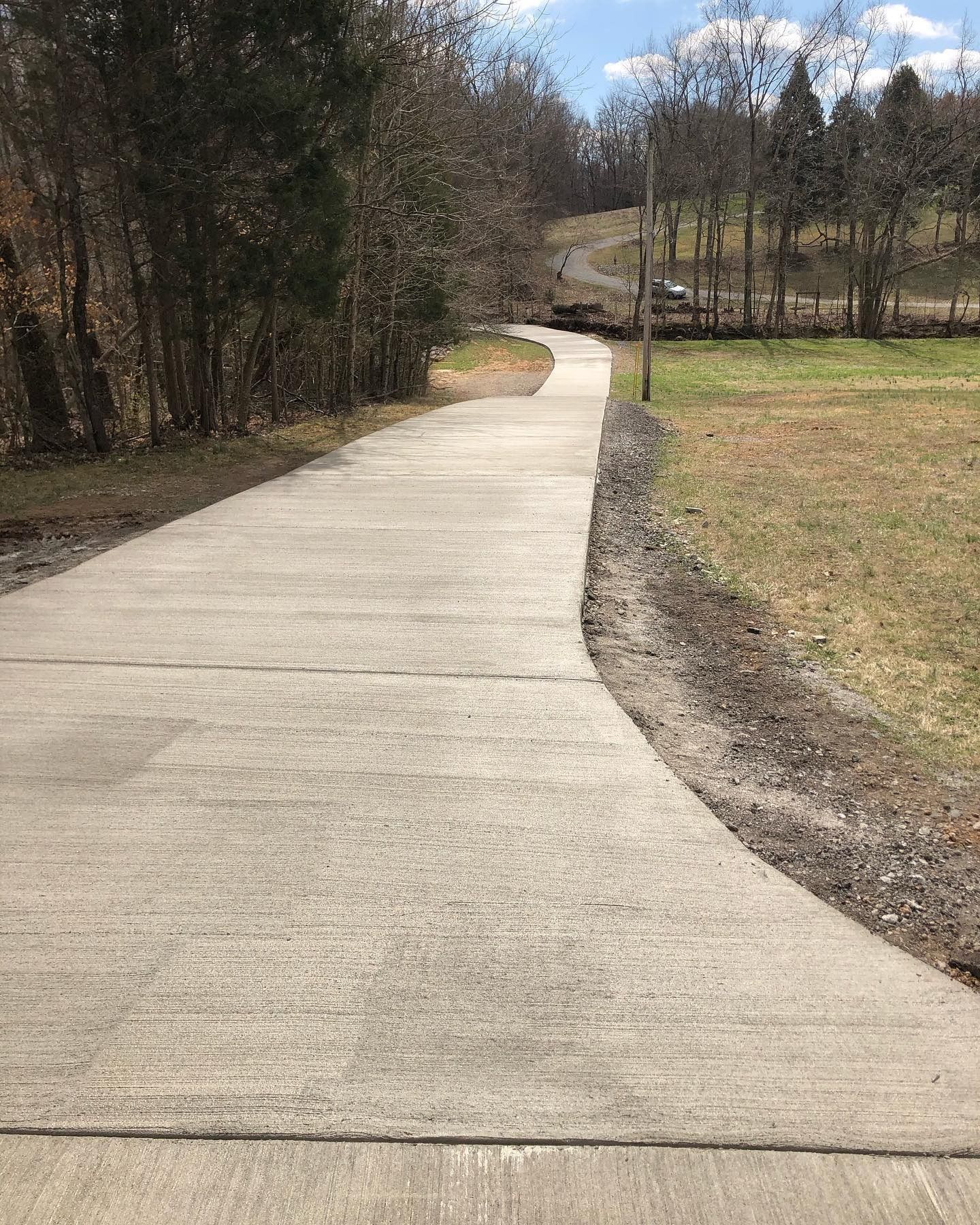
Two driveways can be poured with the same concrete, on the same street, in the same week, and look identical the day the forms come off. A few years later one is smooth and tight and the other is a map of cracks with one corner sitting lower than the rest. The concrete did not decide that. The ground beneath it did. Everything that determines how long a slab lasts happens before a single truck backs up to the site.
Most people shop for concrete by asking about the mix, the finish, and the price per square foot. Those matter, but they are not what cracks a driveway in half. This is what actually decides the lifespan of a slab, why the base is the part that counts, and why it matters even more in clay soil.
A Slab Only Moves If the Ground Under It Moves
Concrete is strong in one direction and weak in another. Press down on it and it holds enormous weight. Try to bend it or pull it apart and it gives way, which is exactly what happens when the ground beneath it shifts. A slab sitting on a stable, evenly supported base has nothing to bend around. A slab sitting on soft spots, loose fill, or soil that swells in one area and sinks in another gets flexed until it cracks.
That is why the base is the real product. The finished surface is what you look at, but the compacted layers below are what keep it flat and whole. A contractor who spends time on grade, compaction, and drainage is buying you years the concrete alone cannot provide.
What a Proper Base Actually Involves
A good base is not one step. It is several, and each one carries part of the load.
Strip The Unsuitable Material
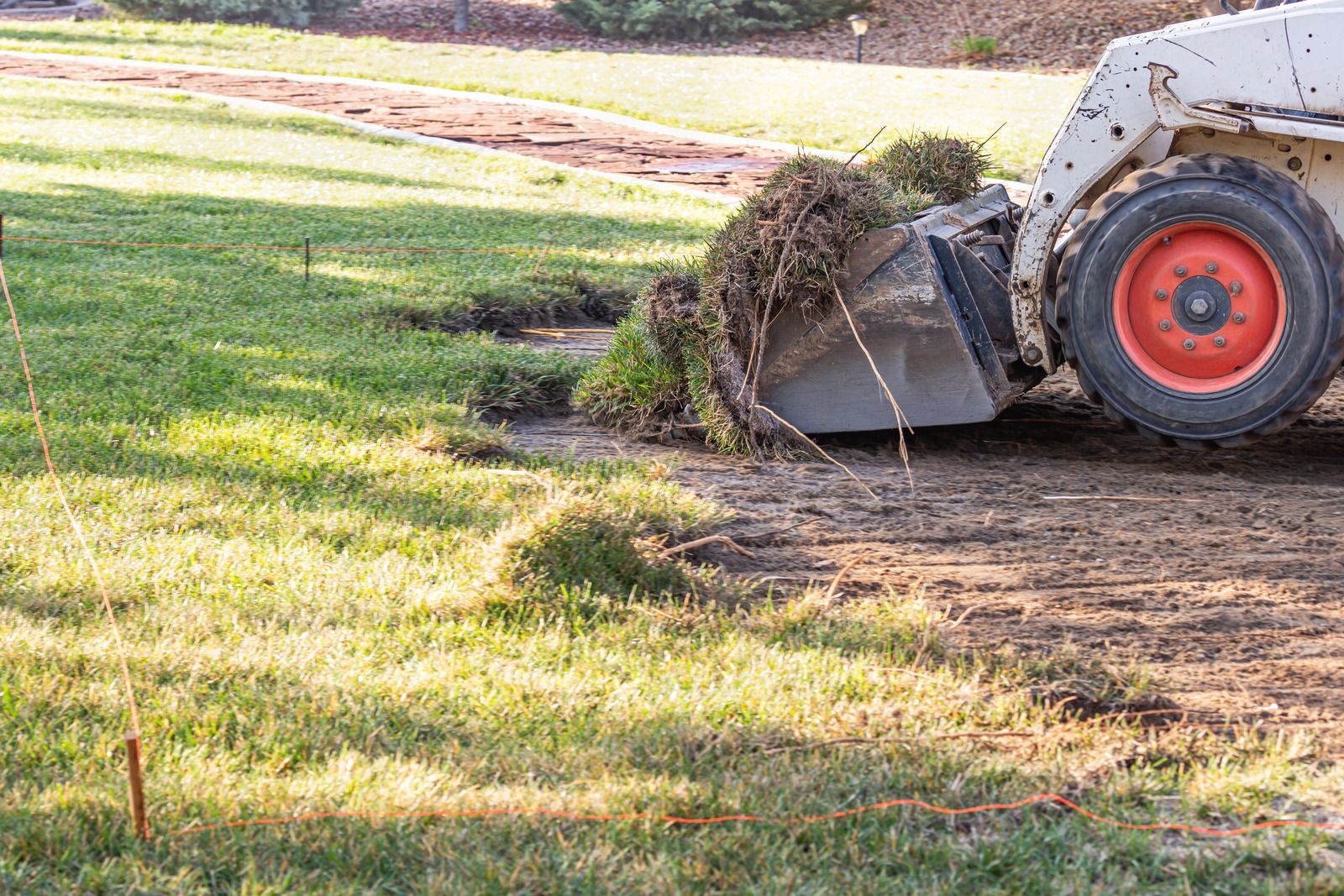
Topsoil, roots, and soft organic dirt cannot support a slab, because they compress and rot. They get removed down to firm ground before anything else happens.
Set The Grade
The soil is shaped to the right elevations and, importantly, to a slight slope so water runs off rather than pooling. Grade is where drainage is either built in or left out.
Compact The Subgrade
The exposed soil is packed with plate compactors or rollers so it will not settle later under the weight of the slab and traffic. Loose soil is a slow leak in the foundation of the whole job.
Add And Pack A Stone Base
A layer of crushed stone or gravel is spread over the subgrade and compacted. This layer spreads the load across the soil, gives water somewhere to drain, and creates a stable, level platform for the pour. Its thickness depends on the soil and the use.
Confirm It Is Right Before Pouring
A base that looks done and a base that is actually compacted to the correct depth are not the same thing. Checking it is the last chance to fix a problem cheaply.
TIP: When you compare concrete quotes, ask each contractor what they do to the ground before they pour, how deep the stone base goes, and how they handle drainage. A bid that only describes the slab, its thickness, its finish, its color, and says nothing about the base is telling you where the corners are about to be cut.
Why Clay Soil Makes the Base Even More Important
Middle Tennessee sits on clay heavy soil, and clay behaves in a way that punishes shortcuts. It absorbs water and swells, then dries out and shrinks. That cycle of expansion and contraction lifts and drops whatever sits on top of it, and a slab poured straight onto bare clay rides that movement until it fractures.
A properly built stone base is the buffer between that restless soil and the concrete. The compacted stone spreads the load so no single spot takes the strain, and it gives water a path to drain instead of soaking into the clay directly under the slab. Grading the site so rain flows away from the concrete does the same job from above. Together they calm the soil's movement enough that the slab can stay put.
This is also why drainage is not a separate service you can add later. On clay, water is the thing that makes the ground move, so controlling where water goes is part of building the base itself. A driveway with a good slab and no drainage plan is a driveway waiting for its first wet season.
The edges of a slab deserve special attention on this kind of soil. Perimeters and corners take the most stress from soil movement and from vehicles rolling on and off, so they need full base support right out to the edge, not a base that thins where the forms sit. Slabs that fail on clay often fail at a corner first, and a corner that drops is almost always a sign the base gave way beneath it rather than a flaw in the concrete above.
The Concrete Still Has to Be Built Right
A strong base needs a well built slab on top of it, and a few details carry most of the weight.
Thickness Matched To Use
A patio walked on and a driveway that carries vehicles are not poured to the same thickness. Undersizing the slab for its load invites cracks no base can prevent.
Reinforcement
Steel bar or wire mesh holds the concrete together and keeps small cracks from spreading into wide ones. It does not stop concrete from cracking entirely, but it controls what happens when it does.
Control Joints
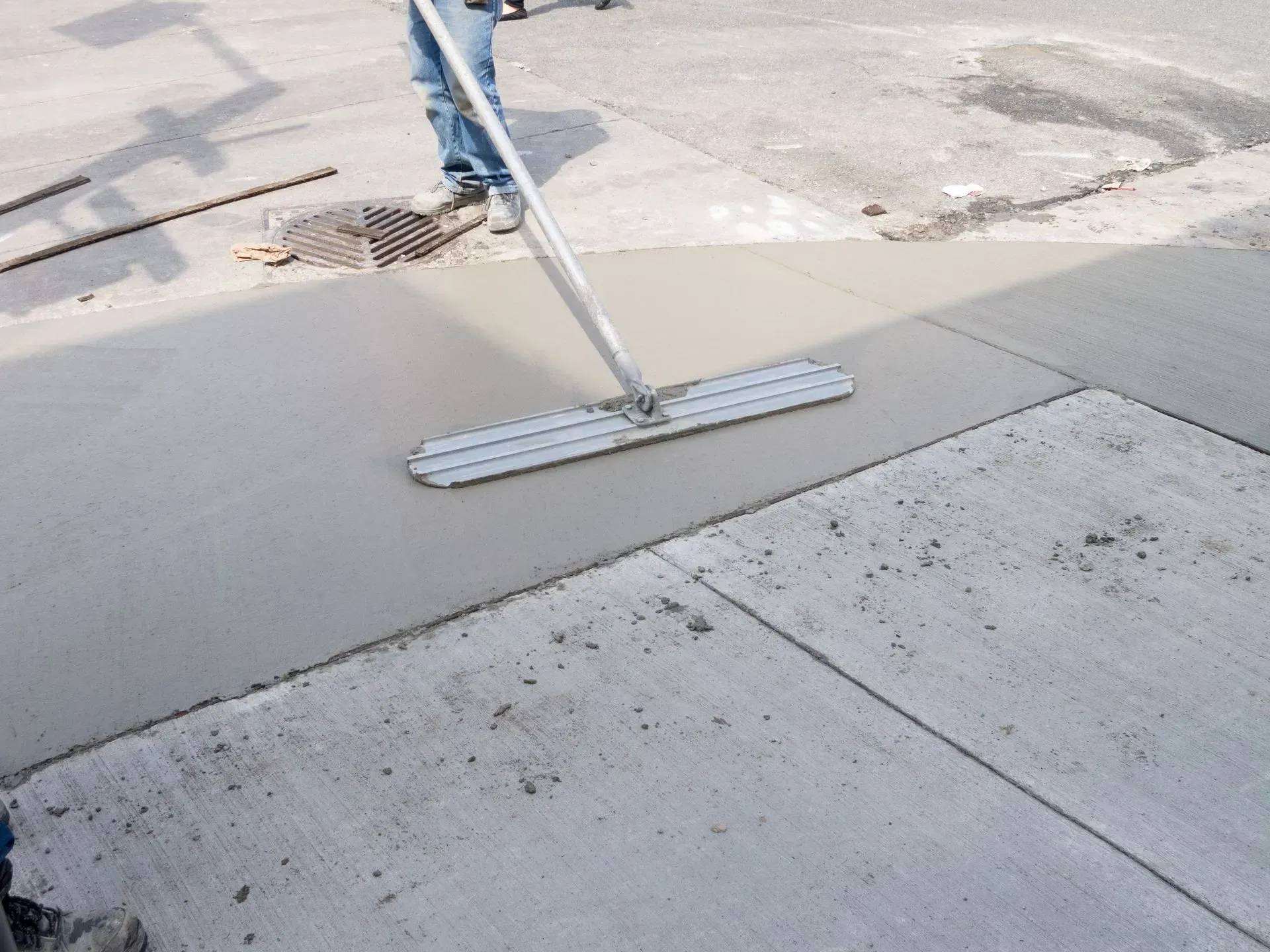
Concrete shrinks as it cures and moves with temperature. Control joints are the grooves cut or tooled into a slab that tell it where to crack, in a straight, hidden line instead of a jagged one across the surface. They are planned cracks, and they are one of the clearest signs of a slab built by someone who understands the material.
Proper Curing
Fresh concrete gains strength over time, and it needs the right moisture and time to do it. Concrete keeps hardening well after it looks finished, with the 28 day mark commonly used as a strength benchmark. Rushing traffic onto a slab before it has cured is a way to damage a good pour.
WARNING: Be cautious of any quote that is far cheaper than the others and quick to start. The fastest way to lower a concrete price is to skip the base, pour a thinner slab straight onto ungraded soil, and leave out drainage. None of that shows on pour day. It shows up one or two wet seasons later as cracks, settling, and a slab that has to be torn out and redone at full price.
Frequently Asked Questions
Why does concrete crack even when it looks well made?
Most serious cracking traces back to the ground, not the concrete. Soil that was not compacted settles, and clay soil that swells and shrinks with moisture flexes the slab until it fractures. Poor drainage, a slab poured too thin for its use, and missing control joints all add to the risk. A strong base and proper joints are what keep normal curing movement from turning into structural cracks.
How thick should the stone base under a driveway be?
It depends on the soil and the load the slab will carry, so there is no single number that fits every property. Weaker or clay heavy soil generally calls for a deeper, well compacted stone layer to spread the load and drain water. The right depth is decided after looking at the actual site, which is one reason an in person evaluation matters more than a phone quote.
Can you pour concrete directly on dirt?
You can, and it is exactly what leads to early failure. Bare soil, especially clay, moves with moisture and compresses unevenly, and a slab poured on it moves with it. A compacted stone base over graded, packed subgrade is what gives the slab stable, even support and a path for water to drain.
How long does new concrete need before I can use it?
Concrete gains strength gradually. Light foot traffic is often possible within a day or two, while vehicles need considerably longer, and full strength develops over weeks, with 28 days used as a common benchmark. Because mix, weather, and slab thickness all affect the timeline, follow the specific access recommendations your contractor gives for your pour.
Does drainage really need to be handled before pouring?
Yes, particularly on clay soil. Water is what makes the ground swell, shrink, and shift, so directing rain away from the slab through proper grading and drainage is part of building a base that lasts. Adding drainage after the concrete is down is far harder and less effective than designing it in from the start.
Is a cracked driveway always a sign of bad work?
Not always. Fine hairline cracks and cracks that follow control joints are normal and expected as concrete cures and moves. Wide cracks, cracks with one side sitting higher than the other, and sections that have settled point to a base or drainage problem. A professional assessment can tell the difference and whether a repair or a replacement makes more sense.
What Lies Beneath Decides How Long It Lasts
The concrete on top is only ever as good as what sits underneath it. Grade, compaction, a properly packed stone layer, and a clear path for water are the quiet decisions that decide whether a driveway stays flat for decades or starts cracking within a few seasons. In Middle Tennessee's clay soil, that ground work carries even more weight, since clay swells and shrinks with every rain and moves anything poured on top of it, work that never shows once the concrete is finished.
Cope Brothers Inc
has worked with Springfield, Tennessee's clay soil for 30
years, and that experience is what separates a slab that lasts from one that fails early. Reading the ground correctly, building a base suited to it, and planning drainage before the first truck arrives are skills learned through hundreds of pours, not something picked up from a single job. A driveway or patio built this way settles into the landscape rather than fighting it, holding its shape season after season instead of surrendering to the ground beneath.
Recent Posts